
John of Austria
Illegitimate Habsburg admiral who defeated the Ottoman fleet at Lepanto.

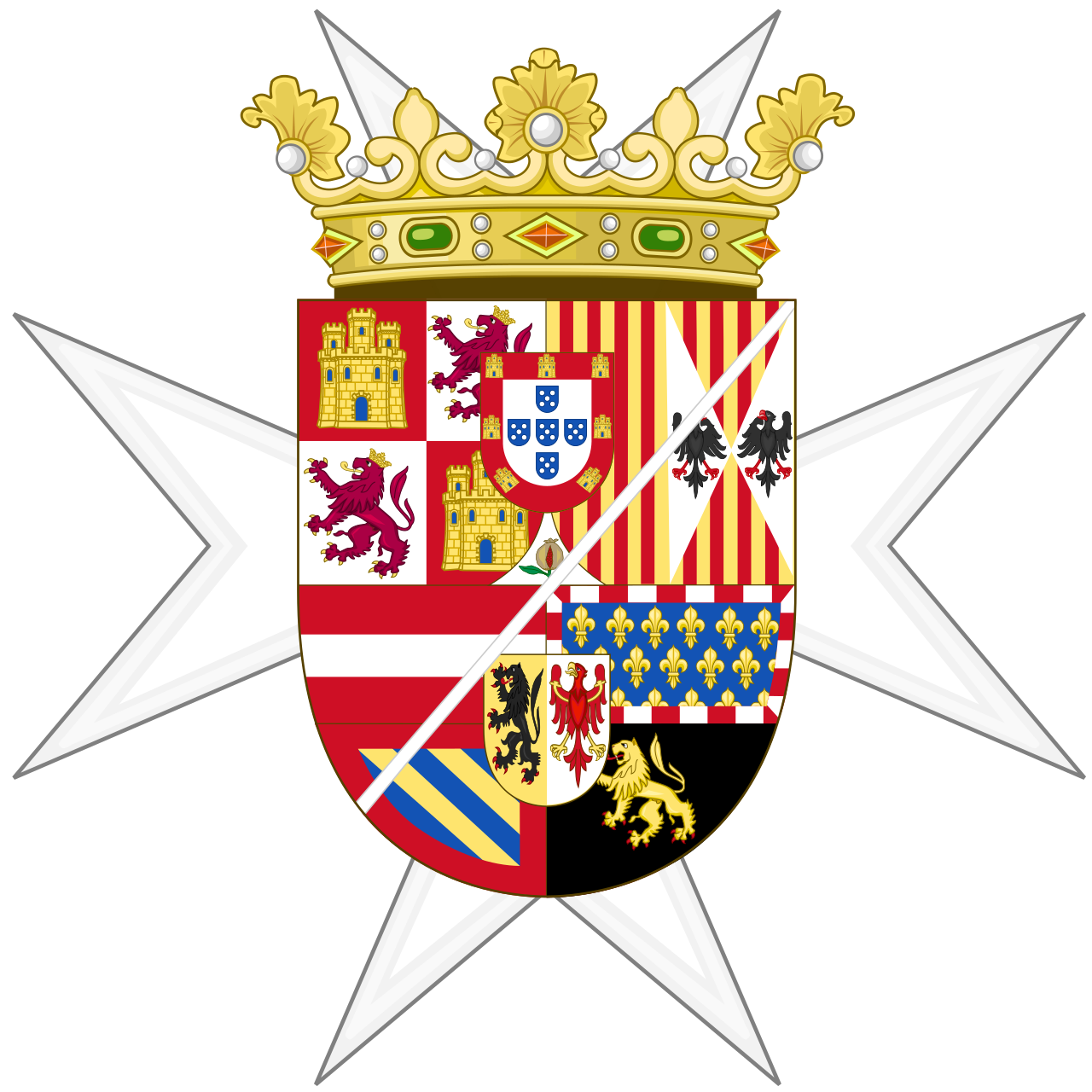
JMvanDijk based on Heralder ( talk · contribs ) · CC BY-SA 4.0
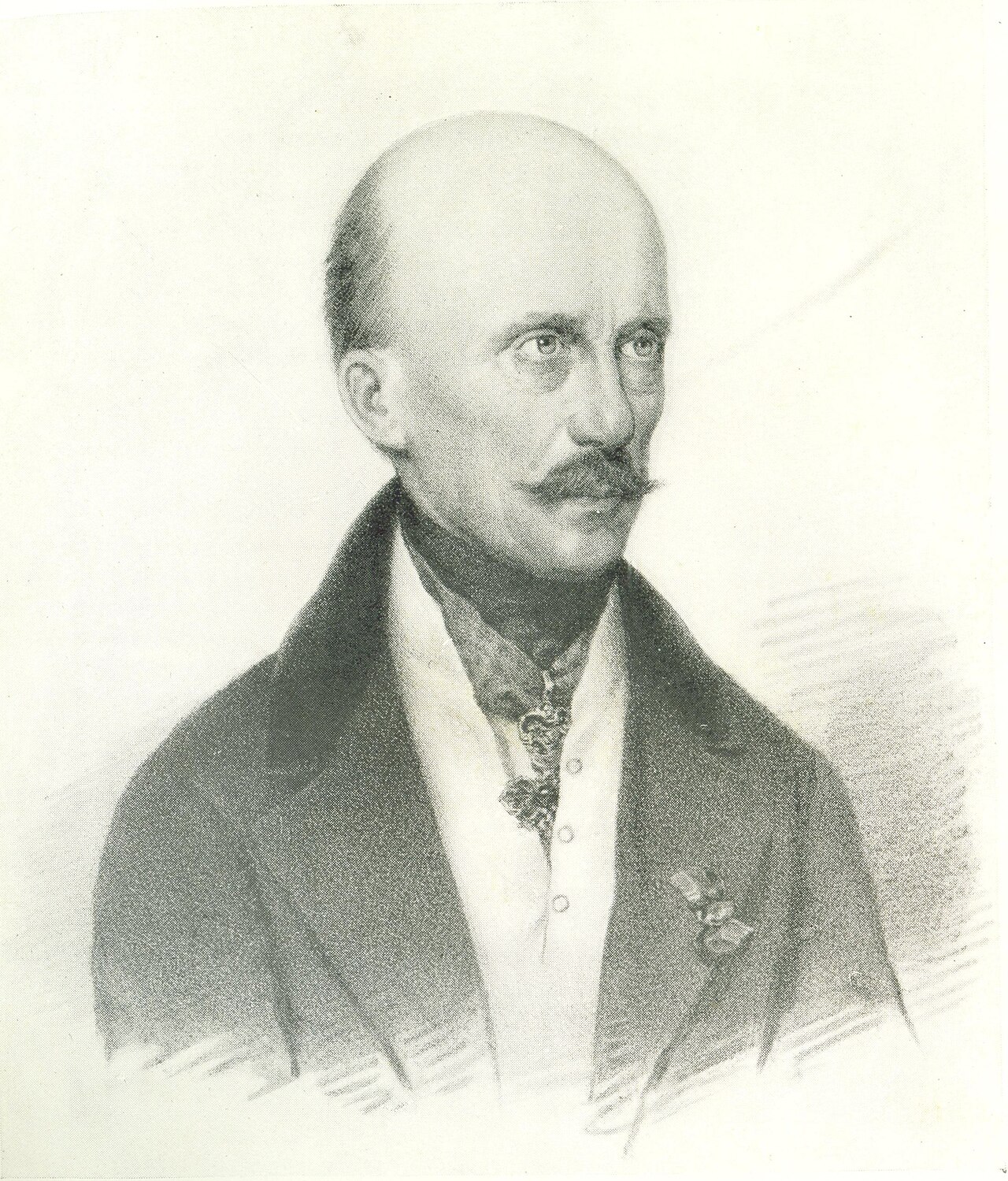
He is best remembered as the admiral of the Holy League fleet at the Battle of Lepanto and as Governor of the Spanish Netherlands.
Reader's Guide
His earlier campaigns against North African corsairs and the Morisco rebellion in Granada demonstrated his military capability, though the brutal suppression at Galera and the forced expulsion of Moriscos reflect the harsh policies of the Spanish crown. As governor-general of the Spanish Netherlands, he continued the ongoing war against Dutch rebels, but his early death at 31 cut short his career. His status as an illegitimate son of Charles V, recognized and granted a grandee title by Philip II, placed him in a unique position within the Habsburg hierarchy—close to power but excluded from royal rank. His legacy is tied to Lepanto, where he became a symbol of Christian unity against Ottoman forces, though the Holy League itself was short-lived.
Did You Know?
- John of Austria was the illegitimate son of Charles V, Holy Roman Emperor, and Barbara Blomberg, a burgher's daughter.
The Architecture of Dual Sovereignty
The Austro-Hungarian Monarchy operated as a constitutional dual state, a real union binding two largely self-governing polities under one sovereign who simultaneously held the titles of Emperor of Austria and Apostolic King of Hungary. At its structural heart lay Cisleithania, encompassing the northern and western regions inherited from the old Austrian Empire, and Transleithania, corresponding to the medieval Hungarian crown lands. After the 1867 reforms, these two entities stood as co-equal partners in power. They shared unified diplomatic, defense, and monetary policies, administered through common ministries of foreign affairs and defense that reported directly to the monarch, alongside a third finance ministry dedicated solely to funding those shared portfolios and the Austro-Hungarian Bank. A third layer, the Kingdom of Croatia-Slavonia, functioned as an autonomous region under the Hungarian crown, having negotiated its own settlement in 1868. The internal naming conventions—k.u.k. for common institutions, k.k. for Cisleithanian bodies, and k.u. or M.k. for Transleithanian ones—reflected this intricate division of authority, with the common army only adopting the k.u.k. label in 1889 at Hungary's insistence.
A Continental Giant
By the late nineteenth and early twentieth centuries, Austria-Hungary ranked among Europe's foremost powers. It stretched as the second-largest territory on the continent behind only Russia and housed the third-largest population after Russia and the German Empire, placing it within the ten most populous nations globally. Its industrial base was substantial, building the fourth-largest machine-building industry in the world. In international law, the Empire of Austria and the Kingdom of Hungary were treated as separate sovereign states, with the notable exception of the Bosnian Condominium territory. This combination of geographic breadth, demographic weight, and manufacturing capacity positioned the dual monarchy as a central pillar of the European power structure for over five decades. The realm's full internal administrative name—The Kingdoms and Lands Represented in the Imperial Council and the Lands of the Holy Hungarian Crown of St. Stephen—reflected the patchwork of constituent territories that together formed this vast political entity.
Forged in Compromise
The dual monarchy emerged directly from the Austro-Hungarian Compromise of 1867, a political settlement born in the aftermath of the Austro-Prussian War. Its creation was the culmination of centuries of Habsburg entanglement with Hungarian affairs, beginning after the catastrophic Battle of Mohács in 1526, when the Habsburgs assumed the Hungarian throne. Ottoman expansion had reduced Habsburg control to a narrow northwestern strip of the former kingdom until the Treaty of Passarowitz in 1718 returned the remaining territories. The revolutions of 1848 saw Hungary demand greater self-government and ultimately independence; the Hungarian Revolution was crushed by Austrian and Russian military forces, and the autonomy Hungary had previously enjoyed was replaced by Viennese absolutism. This suppression only deepened the rift. The 1867 compromise thus represented a belated concession, transforming the Habsburg monarchy's constitutional evolution into its final phase and establishing the co-equal partnership that defined the next half-century.
The Long Unraveling
Austria-Hungary entered the First World War as a member of the Central Powers, issuing its war declaration against the Kingdom of Serbia on 28 July 1914. Yet the empire was already fraying by the time military authorities signed the armistice of Villa Giusti on 3 November 1918; it was effectively dissolved before the formal end of hostilities. Hungary terminated the union with Austria in 1918, precipitating the final breakup. The victorious powers recognized the Kingdom of Hungary and the First Austrian Republic as the de jure successors, while also acknowledging the independence of the First Czechoslovak Republic, the Second Polish Republic, and the Kingdom of Yugoslavia. Most territorial demands of the Kingdom of Romania and the Kingdom of Italy were likewise recognized in 1920. The Bosnian crisis of 1908, triggered by the full annexation of Bosnia and Herzegovina after 1878 joint military and civilian rule, had foreshadowed the tensions that would ultimately consume the multi-national structure.
Gallery
Frequently Asked Questions
Why is John of Austria important in military history?
His victory at Lepanto is widely regarded as the most consequential naval engagement of the sixteenth century, shattering the perception of Ottoman sea invincibility and reshaping the Mediterranean power balance for decades to come.
More in Ancient & Medieval Military Leaders 1-24
Elsewhere in the Ancient & Medieval Military Leaders universe
Spotted an error? Know more?
This is a living reference — every entry is fact-audited, and reader corrections feed straight into our audit queue. Suggest an edit · See this site's audit record