
Jebe
One of Genghis Khan's greatest generals, known for daring maneuvers.

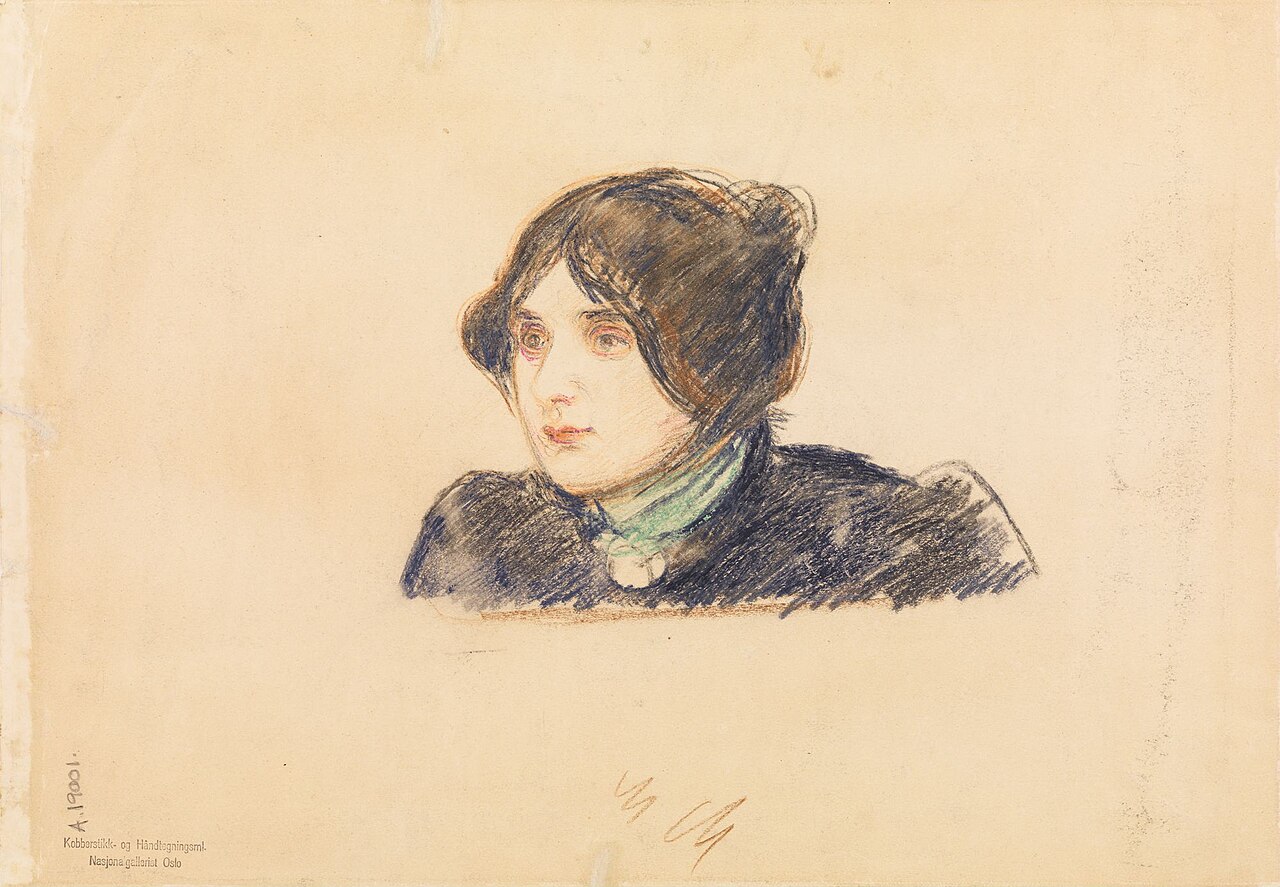
Narve Skarpmoen · Public domain
Originally an enemy soldier from the Turkic Poladha clan who fought among the Tayichi'ut, he was recruited by Genghis Khan after confessing to wounding the Khan's horse in battle. Jebe quickly rose to become one of Genghis's greatest generals, playing a key role in the expansion of the Mongol Empire through campaigns in Jin China, Kara-Khitai, and the Khwarezm Empire.
- born
- Unknown (birth name: Jirqo'adai)
- field
- Military general (Noyan)
- nationality
- Mongol Empire (Turkic Poladha clan)
- known_for
- Leading the left wing in the invasion of Jin China, defeating Kuchlug, and the legendary raid around the Caspian Sea with Subutai
Lore & Background
After the battle, he voluntarily confessed and offered to serve loyally if spared. Genghis pardoned him and gave him the name Jebe, meaning 'arrow' or 'weapon' in Mongolian. During the Khwarezm invasion, he led a diversionary force over the Tian Shan mountains in winter, drawing out the Shah's elite cavalry, and later hunted the Shah with Subutai.
Reader's Guide
Jebe's significance lies in his rapid rise from enemy soldier to one of Genghis Khan's most trusted commanders, alongside Muqali and Subutai. His unorthodox tactics—feigned retreats, forced marches, and inciting internal revolts—were instrumental in Mongol victories across Asia. He played a crucial role in the conquest of Jin China, the defeat of Kuchlug, and the invasion of Khwarezm. His legendary raid around the Caspian Sea with Subutai defeated the Georgians and Caucasus tribes, culminating in the Battle of the Kalka River against the Kievan Rus' and Cumans. Despite his importance, few sources survive about his life. Jebe's legacy endures as a master of cavalry warfare and a symbol of Genghis Khan's ability to turn enemies into loyal generals.
Did You Know?
- Jebe's birth name was Jirqo'adai, meaning 'of the number six' in Mongolian.
- He was given the name Jebe, meaning 'arrow' or 'weapon', after confessing to shooting Genghis Khan's horse.
- The circumstances of Jebe's death are mysterious; one scholar suggests he may have been killed by Kipchak forces, but this is disputed.
The Reconnaissance Mission into the Caucasus
Jebe, alongside Subutai, first set foot in Georgian territory in the autumn of 1220 while pursuing the deposed Khwarazmian Shah Muhammad II toward the shores of the Caspian Sea. Operating under explicit authorization from Genghis Khan, the two generals extended their sweep westward as a reconnaissance expedition rather than a full-scale war of conquest. They drove through Nakhichevan, displacing Atabeg Uzbek—the Eldiguzid ruler of what is now Azerbaijan—from Ganja toward Tabriz. King George IV "Lasha" of Georgia, whose kingdom at this moment dominated much of the Caucasus, hastily mustered roughly 10,000 men, a force of Georgian warriors and crusader knights commanded by the king himself and his atabeg Ivane Mkhargrdzeli. The Georgians initially managed to drive the invaders back, but they were subsequently defeated in Armenia by a series of Mongol counter-attacks. The Mongols then withdrew into Arran, making clear that this foray was never meant as a campaign of permanent territorial annexation.
The Ambush at Khunan
In September 1222, the two armies clashed on the plain of Khunan. King George IV and Atabeg Mkhargrdzeli fielded a combined Georgian-Armenian force of approximately 30,000, while Jebe had received fresh reinforcements directly from Genghis Khan. The Mongol commanders devised a layered assault: Subutai would lead the main body forward while Jebe concealed 5,000 cavalry in a hidden ambush position. The plan called for the main force to strike, then feign a withdrawal, drawing the enemy into pursuit before a second wave struck from behind to encircle and destroy them. The Georgians, unaccustomed to such maneuvering, actually broke the initial Mongol charge with their heavy cavalry and pursued the retreating riders as far as the river Kotman. It was at that critical moment that Jebe's hidden contingent surged forward from the ambush, turning the engagement decisively in the Mongol favor. The king and Ivane fled the field, leaving Prince Vahram Gageli to hold the right flank in a desperate rearguard action that would later see him serve under Queen Rusudan.
Campaigns of Devastation Across the Caucasus
Between the two major engagements, Jebe and Subutai waged a sustained campaign of terror and attrition across the broader Caucasus region. After the winter attack of January 1221—launched through snowbound mountain passes at a time the Georgians least expected them—the Mongols ravaged southeastern Georgia before withdrawing to Karabakh. According to the chronicler Kirakos Gandzaketsi, Jebe and Subutai established their operational base between the cities of Barda and Beylagan, a position they deemed secure, from which they launched repeated raids into surrounding territory. They then pressed into Tabriz, where the city's governor Shams Tabrizi paid a substantial sum to secure his jurisdiction's exemption from destruction. By August 1221, the Mongols had massacred the population of Hamadan, then turned northward to depopulate Nakhichevan, Ardabil, and Ganja before returning once more into eastern Georgian lands. This pattern of selective devastation served to weaken regional resistance and extract tribute without committing Mongol forces to prolonged occupation of any single territory.
Aftermath and the Limits of Mongol Ambition
The Battle of Khunan proved catastrophic for Georgian sovereignty. King George IV sustained a severe wound to the chest during the retreat and succumbed to his injuries on 18 January 1223, ending the reign of one of the Caucasus's most powerful medieval rulers. Prince Vahram Gageli, who had stayed behind to fight on the right flank, survived the disaster and would later serve under Queen Rusudan. Despite the stunning tactical victory, the Mongols did not press a full-scale invasion of Georgia. Reconnaissance scouts reported that the Georgians and their Armenian allies had mobilized to deny any further incursions, prompting the cancellation of planned follow-up campaigns. Instead, Subutai redirected his forces northward, carrying orders from Genghis Khan to subjugate the Polovtsian Khanate. Jebe's role in the Caucasus thus marked a probing demonstration of Mongol military capability and tactical brilliance rather than a permanent conquest, leaving the Georgian kingdom deeply wounded but ultimately intact and free from direct Mongol rule.
Gallery



Frequently Asked Questions
How did Jebe become Genghis Khan's general?
He was originally an enemy fighter among the Tayichi'ut who confessed to wounding the Khan's horse in battle. Instead of being killed, he was taken into Genghis's service and rapidly climbed the ranks through his combat skill.
What was Jebe's role in major Mongol campaigns?
He commanded the left wing during the invasion of Jin China, helped defeat the rival Kuchlug, and took part in the campaigns against the Khwarezm Empire. His duties consistently involved leading large, fast-moving cavalry forces on the Khan's behalf.
What is Jebe's most famous military feat?
The legendary raid in which he and Subutai rode a vast circuit around the Caspian Sea, covering extraordinary distance in a matter of weeks. This maneuver became a textbook example of the Mongols' unmatched speed and daring.
Why is Jebe considered important in military history?
His rise from a captured enemy soldier to one of the Khan's top commanders showed that the Mongol system rewarded talent and loyalty over birth. His bold, wide-ranging tactics helped shape how the empire expanded across Central Asia and the Middle East.
More in Ancient & Medieval Military Leaders 1-24
Elsewhere in the Ancient & Medieval Military Leaders universe
Spotted an error? Know more?
This is a living reference — every entry is fact-audited, and reader corrections feed straight into our audit queue. Suggest an edit · See this site's audit record